
What gets decided
isn't what gets done.
I played professional tennis. Then I spent the last decade working out why organisations decide one thing and do another. Performance Architecture is the method I built to fix it.
Most organisations lose their best work in the gap between deciding and doing.
The strategy is usually sound and the people are usually good. But the thing agreed in the room isn't the thing that reaches the customer. It slows down, gets watered down, or stops.
Most people blame effort or talent. It's almost never that. It's the structure around them: how decisions get made, how work moves, who gets rewarded for what. Change the structure and the same people deliver.
The cost of that gap rarely gets counted, because it doesn't show up as a line on a report. It shows up as the launch that missed its window, the programme that stalled at 60%, the good people who stop putting themselves forward and start waiting to be told. Left alone it compounds. You spend more and move slower.
Performance Architecture
Most improvement work treats the symptom. A missed deadline gets a new process. A stalled programme gets more governance. The thing that actually caused the problem sits untouched, so it comes back.
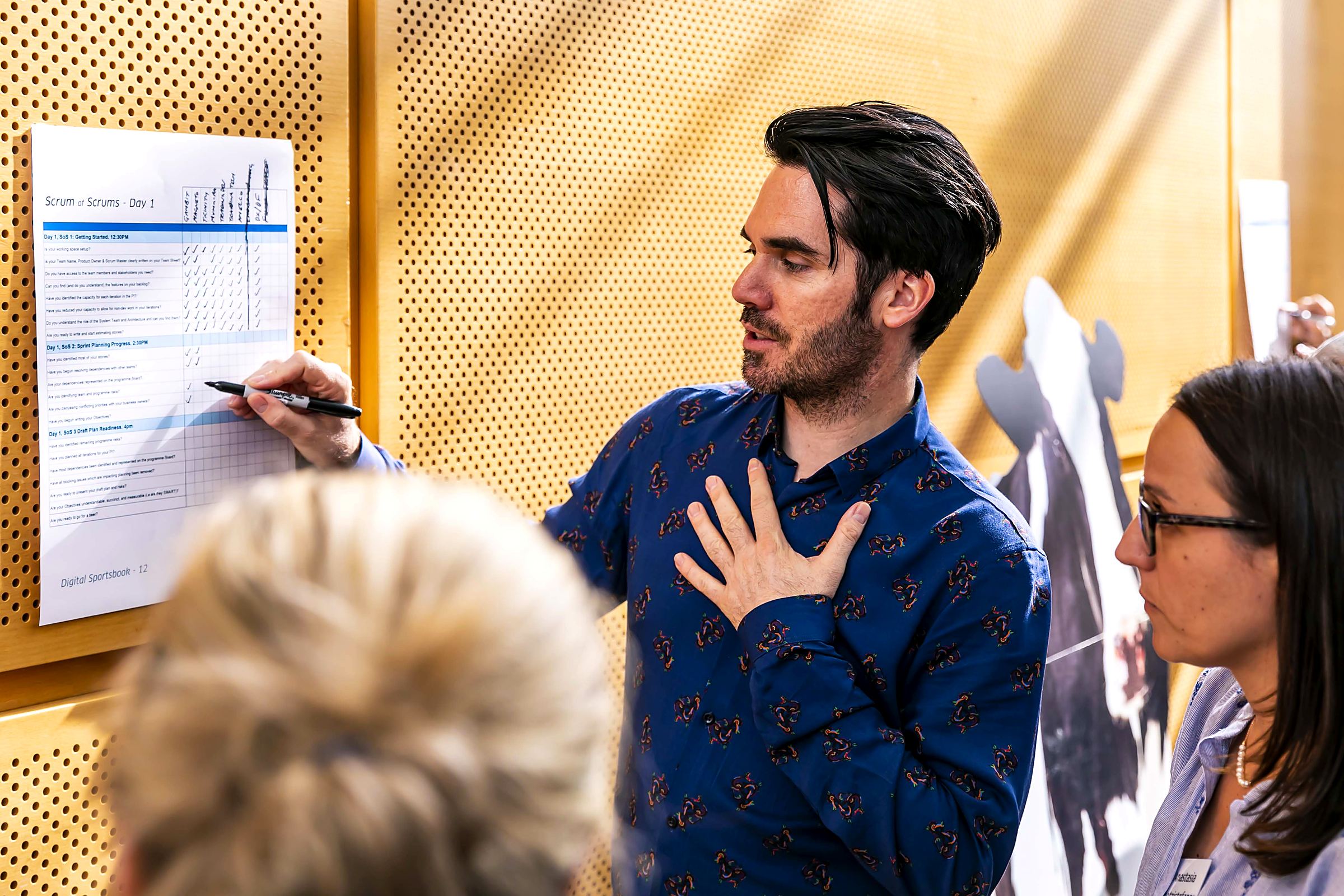
Performance Architecture is a systems approach I've built since 2015, from doing the work rather than writing about it. It reads an organisation across the places performance is won or lost: how decisions get made, how work flows, where dependencies bite, whether the way people are measured points the same way as the strategy. It finds the seam where your results stop converting, and it names the move that closes it.
It doesn't come with a framework to install. I diagnose first and build what fits. I don't turn up with the answer already written.
The same method is starting to move across to individual performance, which is where it began for me in the first place, on a tennis court.
You don't have to take the method on faith.
Three of these came out of one programme at a listed gaming operator, 50+ teams and 400+ engineers, after the largest merger integration in the company's history. The fourth is a £13bn regulated asset migration.
Where this comes from
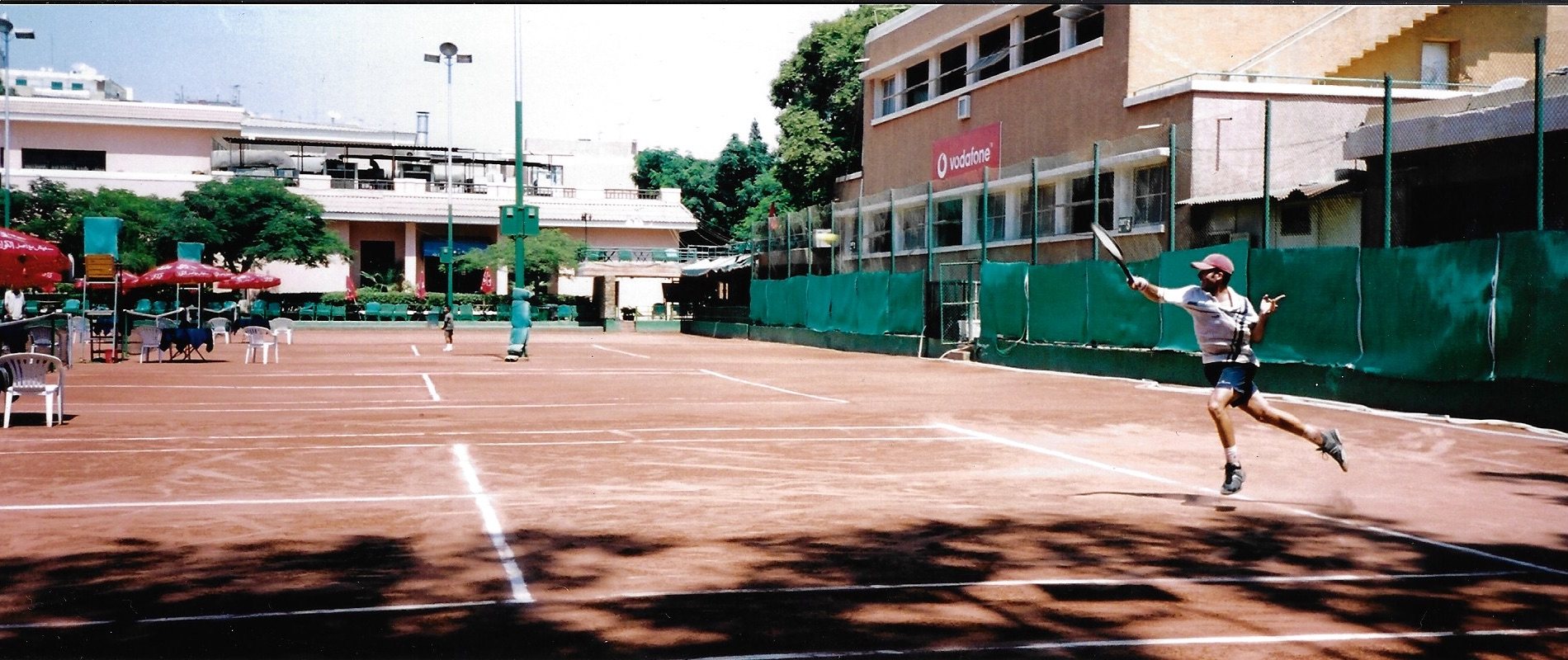
I played tennis professionally before I did any of this. That's not a line on a bio, it shaped how I see everything. Elite sport teaches you early that performance is a system you build, measure and hold together under pressure.
When I moved into business I kept seeing the same thing at organisational scale: capable people, sound plans, and a structure around them that worked against both without anyone ever deciding it should. So I've spent the last ten years learning to find that structure and change it, across financial services, gaming, government and large-scale delivery. Performance Architecture is what came out of it.
Who this is for
Organisations
Most of this work happens before anyone commits to a programme: finding which constraint is actually setting the result. It's usually not the one everybody's already arguing about. I write about how that's done, and I'm up for talking it through with the people doing it. If you're a COO, CIO or transformation lead who knows the strategy is right and can't get it to land, tell me what you're up against.
Individuals
This one's newer. If you're serious about your own performance and you think like a systems person, tell me what you're working on. I'm taking on a small number as I extend the method.